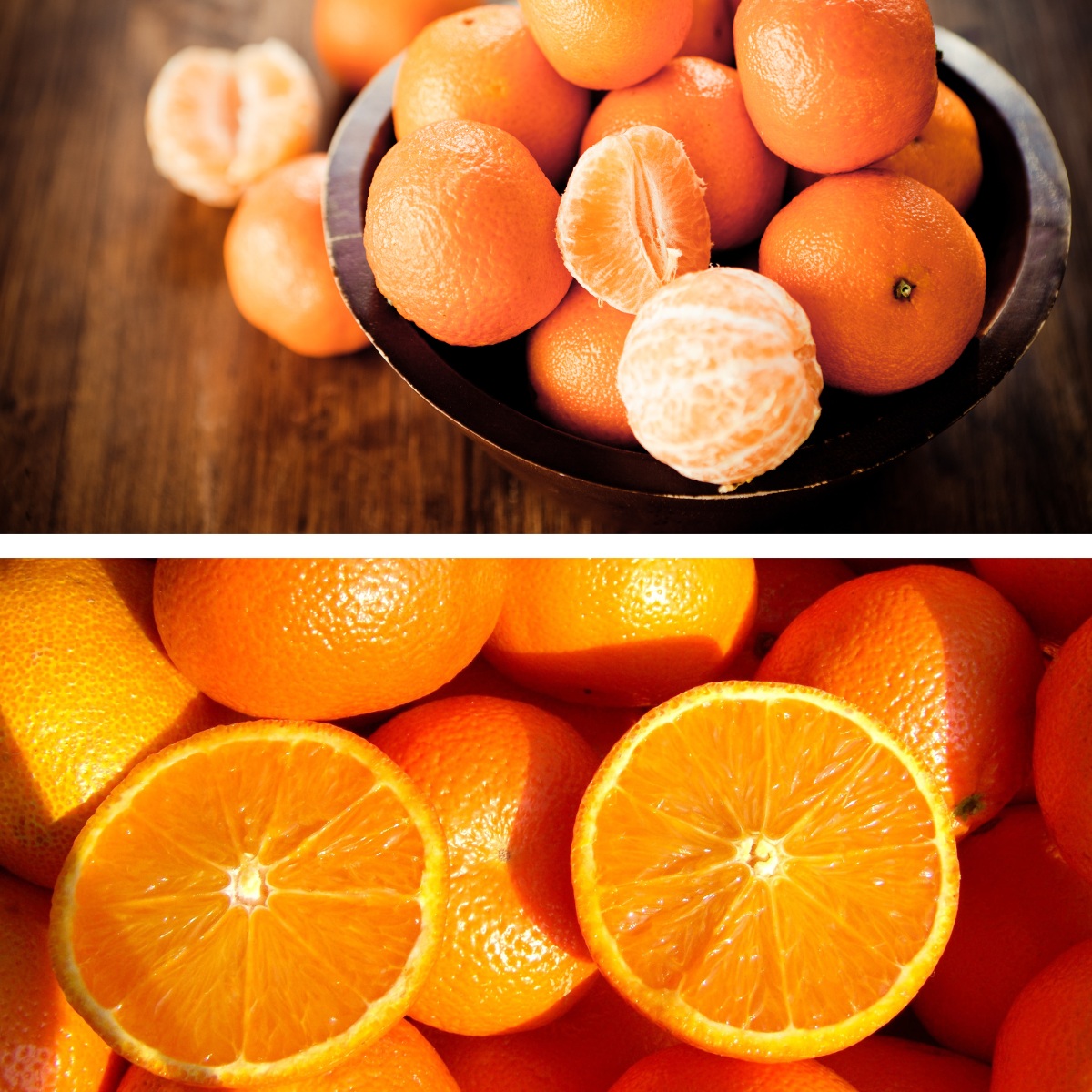
Tangerine vs. Orange: Decoding the Citrus Family Tree
The vibrant world of citrus fruits is a delightful maze of flavors, aromas, and nutritional benefits. Among its most popular members are the tangerine and the orange, often confused for mere size variants of the same fruit. Many consumers might feel like they're solving a riddle when trying to distinguish between a tangerine and an orange, often perceiving them simply as siblings. Indeed, the popular Turkish saying, "Portakalın Kardeşi Zannedersin Bir Eşi Bilmece" – which translates to "You'd think it's an orange's sibling, but it's a riddle to know its mate" – perfectly encapsulates the common confusion and genetic mystery surrounding these beloved fruits. While they share a common ancestor and many characteristics, understanding their distinct origins, features, and uses can help us appreciate each one for its unique contribution to our tables and health. Let's peel back the layers and uncover the fascinating differences between these two citrus stars.The Tangled Roots: Are Tangerines Just Small Oranges?
At first glance, a tangerine might appear to be nothing more than a miniature orange. Both belong to the *Citrus* genus, hinting at their close relationship, but their genetic stories diverge quite significantly. The common misconception stems from their similar appearance and shared vitamin C content, but a deeper look into their botany reveals a more complex family tree.A Dive into Genetic Ancestry
To truly understand the difference, we must journey back to their ancestral roots. Oranges, specifically the sweet orange (*Citrus × sinensis*), are not a naturally occurring species. Instead, they are ancient hybrids, believed to be a cross between a pomelo (*Citrus maxima*) and a mandarin orange (*Citrus reticulata*). This hybridization occurred millennia ago, resulting in the fruit we recognize today as the classic orange.
Tangerines, on the other hand, are a specific type of mandarin orange. Mandarins are one of the original, true citrus species, alongside pomelos and citrons. Therefore, while tangerines are indeed closely related to oranges (as mandarins are one of the orange's parents), they are not simply smaller oranges. They represent a distinct group within the mandarin family, characterized by their deep orange-red hue, easy-to-peel skin, and generally sweeter, less acidic flavor. Other well-known varieties within the mandarin group include Satsumas, Clementines, and Dancy tangerines.
Distinguishing Features: More Than Just Size
Beyond their genetic lineage, tangerines and oranges present a host of observable differences that make them distinct. From their physical attributes to their taste profiles, each fruit offers a unique sensory experience.Size, Shape, and Peel
- Size & Shape: Tangerines are typically smaller than oranges, often about the size of a golf ball or slightly larger, and tend to have a slightly flattened shape at the top and bottom. Oranges are generally larger, rounder, and heavier.
- Peel: This is perhaps the most defining physical characteristic. Tangerines are renowned for their thin, loose, and incredibly easy-to-peel skin. It practically falls off, making them a favorite for snacking, especially for children. Oranges have a thicker, tougher rind that adheres more tightly to the flesh, requiring more effort to peel, often necessitating a knife or a strong thumb.
- Color: While both are orange, tangerines often exhibit a deeper, reddish-orange color, sometimes leaning towards crimson. Sweet oranges typically display a brighter, classic orange hue.
- Flesh: Tangerine segments are generally softer, more delicate, and less fibrous than those of an orange. Oranges have a firmer, juicier, and more robust pulp.
Flavor Profiles
The taste experience is where personal preference truly comes into play, as both fruits offer delightful but distinct flavors:
- Tangerine: Generally sweeter and less acidic than oranges, with a more pronounced, aromatic, and sometimes floral zest. Their flavor is often described as milder and more delicate, with a pleasant tanginess that finishes on a sweet note.
- Orange: Typically bolder, tangier, and more acidic, with a classic, robust citrus flavor. While sweet, they often have a more pronounced tartness that balances their sweetness, making them incredibly refreshing.
Nutritional Knockout: Who Wins the Vitamin C Battle?
Both tangerines and oranges are nutritional powerhouses, particularly celebrated for their high vitamin C content, which is crucial for immune function, skin health, and antioxidant protection. However, there are subtle differences in their nutritional makeup.Key Nutrients Compared (per 100g serving, approximate values)
- Vitamin C: Oranges typically contain slightly more Vitamin C per 100g than tangerines. A medium orange can provide over 100% of the daily recommended intake, while a medium tangerine offers around 30-40%. However, since tangerines are smaller, you might eat more of them, balancing out the intake.
- Vitamin A: Tangerines generally contain significantly more Vitamin A (in the form of beta-cryptoxanthin, a carotenoid) than oranges. This makes tangerines an excellent choice for eye health and immune support.
- Fiber: Both are good sources of dietary fiber, beneficial for digestive health. Oranges tend to have slightly more.
- Antioxidants: Both fruits are rich in various antioxidants, including flavonoids and carotenoids, which combat oxidative stress and inflammation. Tangerines, with their deeper color, often indicate a higher concentration of certain carotenoids.
While oranges might edge out tangerines slightly in raw Vitamin C per gram, tangerines offer a unique advantage with their higher Vitamin A content and specific antioxidants. For a deeper dive into the health benefits of these smaller, sweeter citrus gems, you can explore Why Tangerines Offer Unique Health Benefits & Flavor.
Practical Applications: From Snacking to Squeezing
Given their distinct characteristics, tangerines and oranges lend themselves to different culinary uses. Understanding these differences can help you choose the best fruit for your specific needs.Best Uses for Each
- Tangerines:
- Snacking: Their easy-to-peel nature makes them the ultimate on-the-go snack.
- Salads: Their delicate segments and sweet flavor are perfect for adding a burst of freshness to green salads, fruit salads, or grain bowls.
- Desserts: Ideal for garnishes, citrus curds, or light desserts where a less acidic, aromatic flavor is desired.
- Marinades: Their sweet juice and zest can tenderize meats and add a bright flavor.
- Oranges:
- Juicing: Their high juice content and balanced sweet-tart flavor make them the go-to choice for fresh orange juice.
- Cooking: Excellent for savory dishes, sauces, glazes for poultry or fish, and in baking for their robust citrus flavor and zest.
- Zesting: The thicker rind yields more zest, which is intensely aromatic and perfect for flavoring baked goods, cocktails, and savory dishes.
- Segments: Their firmer segments hold up well in fruit salads, charcuterie boards, and standalone snacks.
Choosing Your Citrus: Tips for Shoppers
When selecting either fruit, look for ones that feel heavy for their size, indicating juiciness. The skin should be smooth and firm, without soft spots or blemishes. A pleasant citrus aroma is also a good sign of ripeness. For more detailed advice on selecting, storing, and enjoying tangerines specifically, be sure to check out Expert Tips: Choosing, Storing, and Enjoying Tangerines.
Storage Advice
Both tangerines and oranges can be stored at room temperature for a few days. For longer storage (up to two weeks), place them in the crisper drawer of your refrigerator. Ensure good air circulation and avoid storing them in sealed plastic bags, which can trap moisture and promote mold growth.
Conclusion
While the orange and tangerine are undoubtedly close relatives within the expansive citrus family, they are far from identical. The tangerine, a true mandarin descendant, offers a sweeter, more aromatic, and easier-to-peel experience, often with a richer Vitamin A profile. The sweet orange, a successful ancient hybrid, provides a bolder, tangier flavor, higher juice content, and a classic robust citrus character. Understanding their distinct genetic heritage, physical traits, flavor profiles, and nutritional nuances allows us to move beyond the riddle of their kinship and appreciate each fruit for its unique qualities. So, the next time you're at the market, you can confidently choose the perfect citrus companion, whether you're craving a quick, sweet snack or planning to create a vibrant culinary masterpiece.